
Saint Kitts and Nevis. Council Cup: fixtures, odds and betting markets
⚽ What Saint Kitts and Nevis. Council Cup is and what the season decides
Saint Kitts and Nevis. Council Cup is a football competition with its own entry rules, its own calendar and its own way of crowning a winner, and this page gathers every fixture it puts up. Weekends stack the fixtures while midweek keeps the European nights, and that calendar sets the betting rhythm. Nothing from other countries or other divisions mixes into the list you see here. Held again from one year to the next, the competition keeps a record of its past winners, which gives every new edition something to be measured against. Reading that framing once makes the odds beside each match far easier to judge.
Every tournament answers a question by the time the last whistle goes. Once the title is settled, records take over: points totals, unbeaten runs or single-edition bests give real content to rounds the table no longer animates. A title, a qualifying slot or plain survival changes how carefully a squad treats a fixture in the middle of the schedule. Major events choose their dates and the rest fit into what is left, so a competition's slot in the calendar shows how much its federation values it. The level also decides how much public data exists on each side, and that shortage is exactly where prices drift.
A mid-season table compares participants who have not played the same number of meetings; points per meeting tell the truth that the raw position hides. Opening rounds carry more surprises than closing ones, because squads are still finding their shape. In a two-legged tie the aggregate score dictates everything: the first leg is often played tight and controlled, while the genuine risks only appear in the return match. A trophy decided over a long table gives the draw a very different value than a trophy decided in a bracket. After rounds played home and away, a continental final is decided in one match on neutral ground: no aggregate left, no second chance, and ninety minutes that obey pure knockout logic. Check the structure once at the start and the whole calendar becomes readable.
Dropping a division empties a dressing room, since the best players leave in the following window and the club rebuilds with whoever stays; the squad knows all this while the last rounds are played. Promotion, relegation or a continental place gives late fixtures a weight that a plain form table never shows. Sides already safe play with a freedom that sides still counting points cannot afford.
📅 The calendar: when Saint Kitts and Nevis. Council Cup matches run

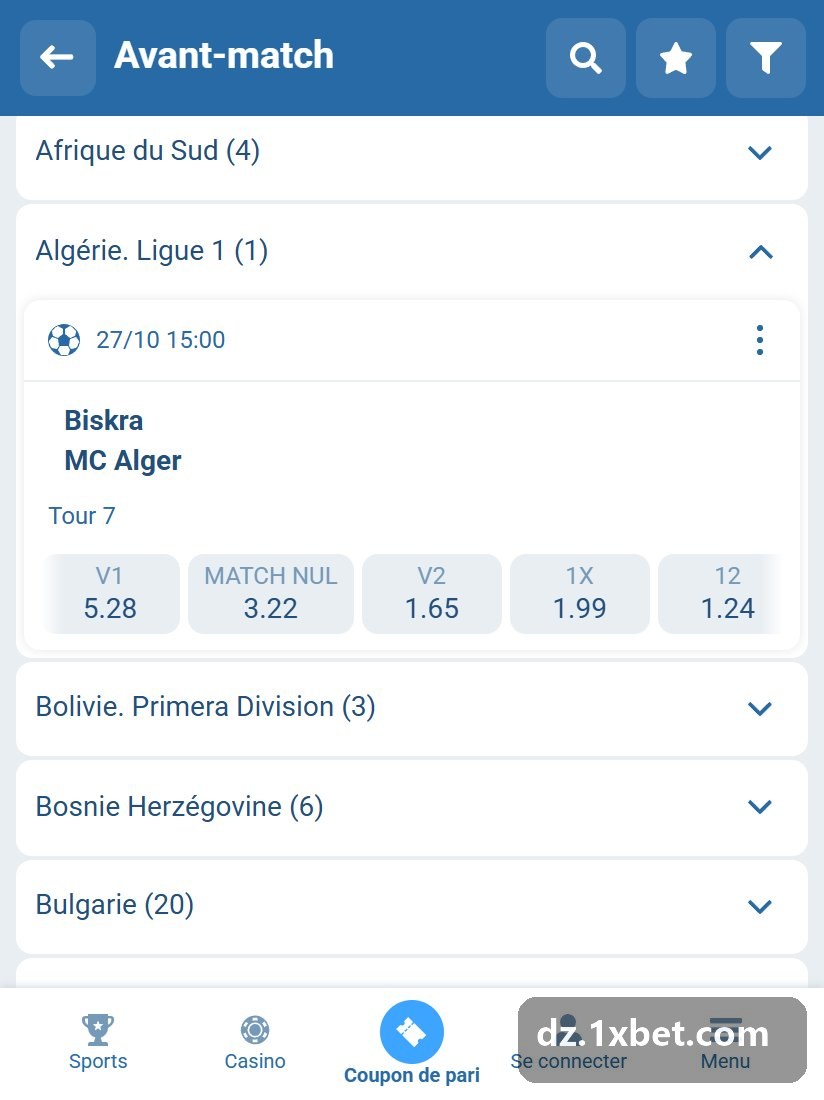
Ordering follows the clock rather than importance: a long-awaited confrontation can sit below an ordinary one purely because it starts later in the evening. Kick-off times appear in Algerian local time on this page, so nothing has to be converted by hand. A championship's rhythm bends around other competitions: domestic cups and continental dates force rearrangements, and some rounds end up split in half. Some rounds land midweek, others fill a weekend, and that density decides what a squad is physically able to do. Planning around the rhythm works better than reacting to it on the day.
While one round is being played, the next is already posted: the list never empties in mid-season, prematch and live simply take turns. Early prices stay thinner and widen once team news arrives. During a pause the upcoming meetings stay on offer, only with a narrower range: the finer markets return once the restart is close and the participants can be watched again. International windows and cup weeks cut the flow, and the first fixture after a pause rarely resembles the last one before it. When Saint Kitts and Nevis. Council Cup has no round at all, the evening schedule for every sport sits on the main page of the site.
Markets on Saint Kitts and Nevis. Council Cup: what you predict and when
Correct score pays long for a very narrow target. Each card opens with the basics and then unfolds into hundreds of lines. Prices in this core carry the highest concentration of opinions: they move in small steps, while a thinly traded position can jump sharply on a single stake. Match result, totals and both teams to score cover most of what a fan actually wants to back. The length of the list follows public attention: the more people open a fixture, the more entries the operator publishes, and that weighs more than the actual level of the two sides. Corners, cards, halves and player lines sit deeper in the card and usually fill up closer to kick-off.
Two entries taken on the same meeting have to tell one story, because a crushing favourite and a locked, low-scoring game describe two different matches. A market you understand pays better than a market with a bigger number next to it. Propping a far-fetched entry against a solid one protects nothing: the risky half decides the fate of the coupon, the safe half only made the selection look reasonable. Rare lines tempt on quiet rounds, yet they need information that smaller competitions never publish. The table groups the families you meet most often on this tournament.
Market | What you predict | When it fits |
|---|---|---|
1X2 | Home win, draw or away win | Two sides of clearly different strength |
Double chance | Two of the three outcomes at once | An away side you trust only halfway |
Total goals | Goals above or below a set line | Attacking form is clearer than the result |
Both teams to score | Whether each side finds the net | Two leaky defences meeting each other |
Handicap | The result after a virtual head start | A heavy favourite priced too short |
Corners and cards | Counted events instead of the score | A tense fixture where goals look scarce |
Each family asks a different question about the same ninety minutes. Pick the question you can answer from the standings, the schedule and the team news, and leave the rest of the card alone.
How a Saint Kitts and Nevis. Council Cup match moves the price
A ruling from the officials weighs on prices at once: it cuts what one side can still produce in the time left, and the market draws its conclusions without waiting for confirmation. One goal rewrites every line on the card within seconds. A fresh striker comes off the bench with twenty minutes left and tired legs on the other side — that is the moment the next-goal and the over markets suddenly start to look tempting. An early opener, a sending off or a stubborn goalless half each push the market in a direction of its own. Count the changes each side still holds: the camp with moves left can still redirect its endgame, while one that has used everything must finish with what is already out there. How fast a price settles after an incident shows how confident the traders feel about it.
A defender already booked against a quick winger plays the rest on a wire: any duel can bring the second card, and that threat weighs on the whole back line. Substitution windows, the restart after the break and the closing ten minutes carry most of the movement. The opening goal forces the trailing side out of its block, and the space that appears behind its defence lifts the value of the goal markets for the rest of the match. Goals never spread evenly across a match, and totals react hardest when the first one arrives early. When a dangerous situation is about to be settled, such as a close-range attempt or a big point on serve, the offer freezes until it is played out, since no price can describe what follows before that moment. Frozen lines come back once play restarts, and that pause usually signals an incident still being priced.
Some entries count in points rather than cards, with a red weighing more than a yellow on the scale, so the same nervy finish settles very differently there. Refereeing style differs from one competition to the next, and card totals follow it closely. Right after the restart comes an episode of its own: fresh instructions, sometimes a substitution already made in the tunnel, and often the point where the match tips over. Splitting the match into halves turns one large question into two smaller ones.
A goalkeeper who rules his air space cancels much of the corner threat on his own: the duel between delivery quality and the keeper's reach is set before the ball is even struck. Corners and free kicks settle plenty of tight games where open play stays blocked. An injury forces an unplanned change and burns a window. The bench loses a card it was keeping for the endgame, and the plan drawn up at the interval falls apart. Fresh legs after the hour mark often decide whether a late total lands.
What to check before betting on Saint Kitts and Nevis. Council Cup
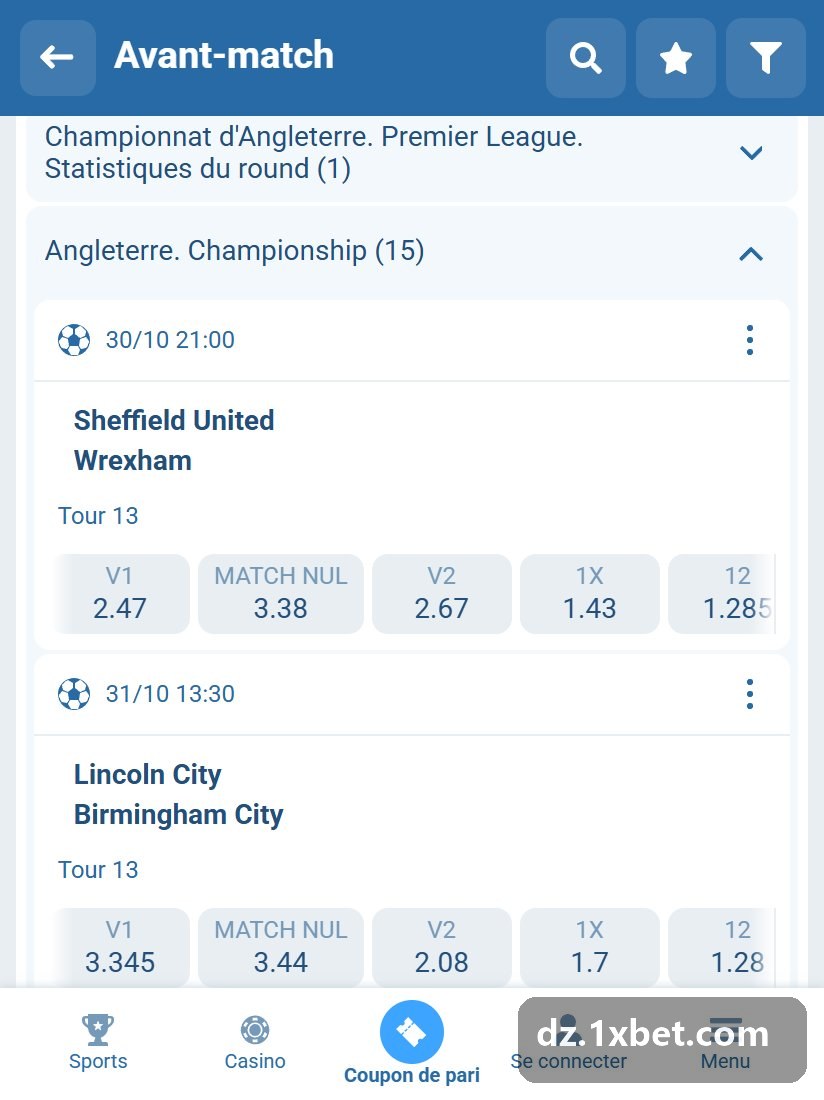

In front of its own crowd, a favourite under scrutiny sometimes plays tight: every loose touch draws a murmur from the stands, and home pressure turns a theoretical advantage into a real burden. A team with nothing left to chase behaves differently from one fighting for a place. Not every fixture fills the stands: in an early round or a low-profile pairing the arena sounds empty, and the crowd effect people keep invoking drops close to nothing. Pitch quality, travel distance and crowd size all hide behind the venue line in the fixture list. Players who spend the whole year on the road end up treating a hostile ground as ordinary scenery; the unfamiliar stops being a handicap once it turns into routine. Home advantage varies enormously between competitions, and treating it as a fixed value costs money over a season.
Comparing both runs against each other beats judging either alone: the two often fed on the same soft stretch of the schedule, and the stated gap shrinks once they sit side by side. Recent results say more than season averages once the calendar gets crowded. The bench becomes a plan rather than a reaction: a coach who knows he will change several players at once builds his whole first hour around that switch. A side playing every third day cannot press for ninety minutes whatever the table claims. The winter window tells you where a squad hurts: January signings go first to the positions left without cover since the summer. Depth decides who survives that schedule, and it shows up after the break rather than before it.
A rising corner count can come from real pressure or from a run of deflected crosses; without dangerous entries into the box that number stays pure noise. Shots, possession and expected goals answer separate questions, so they work only when read together. A trend visible in public numbers — a run of high-scoring matches, say — is already built into the prices by the time you spot it: the market reads the same tables as everyone else. A flattering average often hides two heavy defeats and a run of quiet draws. Two favourites shown at the same price can be in completely different situations: the number tells you what the market thinks, never the reasons that brought it to that conclusion. The obvious favourite in a small tournament is priced by a crowd that follows only the famous names.
A stand-in keeper usually changes how the ball leaves the back: fewer short passes to the defenders, more long balls forward, and a match decided on second balls. A goalkeeper change between rounds moves clean sheet and total lines more than most line-ups suggest. The forecast for the stadium at kick-off hour belongs in the prematch homework, since a total taken at noon in sunshine sometimes plays out at night under a storm. Heat, rain and wind slow a game down, and totals drift as soon as the forecast is public. Both details reach the fixture page long before kick-off, which is the whole point of looking early.
How to place a bet on Saint Kitts and Nevis. Council Cup
A deposit through BaridiMob or BinancePay funds the balance before confirmation. The route from this page to a confirmed slip takes under a minute once the account is ready. Sorting by start time pushes whatever begins soonest to the top, useful when a competition spreads its fixtures across several days and only tonight's slate matters to you. A wider view of the sport, with every tournament in one list, waits at all football competitions.
Sign in to your account, or open an account if this is your first coupon.
Open the Saint Kitts and Nevis. Council Cup fixture list on this page and choose the match you want.
Tap the odds beside a market to send that selection into the slip. When the price attached to a line shifts while the coupon is being filled, the change is marked and needs to be accepted before the ticket can go further. The slip stays open while you keep browsing other fixtures.
Type your stake in DZD and check the possible return shown under the field.
Confirm the bet. A line suspended for the moment shows up locked inside the slip: it blocks validation until it reopens, and the choice comes down to waiting or taking it off the ticket. The selection then moves into your bet history for later reference.
Adding a second selection turns the same slip into an accumulator, and the total price multiplies instead of adding up. Removing a leg before confirmation costs nothing, so read the final odds before the last tap.
Pre-match and live: two different approaches
With the picture in front of you, what you see outweighs what you knew, and one bright passage can wipe out an entire evening of preparation. The pre-match choice is made with a cool head. Time separates them: before kick-off you compare at your own pace, after it you decide inside a few seconds. A game is played out in two phases: pre-match first, then live. Preparation pays in the first case and attention pays in the second. The market names look identical in both, and that similarity catches out plenty of newcomers.
Past meetings between the two opponents can be reread quietly before the start, whereas in play nobody has time to dig through those archives. Odds published days ahead carry assumptions that a single injury bulletin can destroy. On full-round evenings the multi-live view lines up several games of the same league on one screen: scores, minutes and odds run side by side, and switching between matches never breaks the thread. Watching live football markets next to the pre-match list shows how far a number has travelled since it opened. Comparing those two prices is the cheapest lesson available on this page.
💳 Deposits, app and support for Algerian bettors
The pace of arrival is set by the method chosen: some confirm almost at once, while others move at the tempo of the service that sends the money. Accounts in Algeria are funded through BaridiMob, RedotPay, BinancePay and USDT, with the balance kept in dinars. Once a payout has gone through, it shows up on the receiving side, so its arrival can be checked there without asking anyone anything. Withdrawals travel back along the route used for the deposit, which keeps the checks short and predictable.
Method | Type | What it suits |
|---|---|---|
BaridiMob | Bank transfer | Everyday top-ups in DZD from an Algerian account |
RedotPay | Bank transfer and card | A quick top-up minutes before a Saint Kitts and Nevis. Council Cup kick-off |
BinancePay | E-wallet | Moving funds without opening a bank app |
USDT | Cryptocurrency | Balances held outside the dinar, on Tron or BSC |
Following a fixture away from a computer becomes routine: in a taxi, at a café table or during a break, the handset alone keeps you inside the competition. The mobile app carries the same fixture list, the same card and the same cashier as the desktop site. Download the mobile app and carry the game in your pocket. A kick-off alert on the phone helps when a round starts in the middle of a working day.
Naming the section and the action you attempted points the answer straight at the issue, while a bare complaint that nothing works forces the agent into a round of questions first. Chat and email answer in the language of the version you are reading. From understanding a market to sorting out a bet slip, the support service is there to clear up anything about how betting works on the site. Settling a payment question before the round starts spares you from watching the clock while a match runs.
Following Saint Kitts and Nevis. Council Cup through the season
The head-to-head archive feeds the pre-match conversation more than it informs the price, which reflects the two squads of the day rather than the decades of history the derby drags behind it. Local rivalries break form patterns, and the price on those days reflects the crowd as much as the standings. Neighbours who meet twice a year bring history that no statistic covers.
Filtering the section down to this single competition clears everything else off the screen, and what remains fits on one page instead of a long scroll. Saving this page keeps the next round one tap away, while the full pre-match section shows what else runs on the same evening.
Even without placing a stake, writing down your calls before a round and holding them against the settled scores costs nothing and sharpens the eye, with the results grid acting as the marker. Seasons finish, tables reset, and the same address carries the new campaign without changing. The moment has finally arrived. Fixtures for the coming round appear here as soon as the organisers confirm them.